
Ledger Systems Research for a Political Economy
necessary and sufficient philosophical sandbox for technocrats through ledger systems they can trust
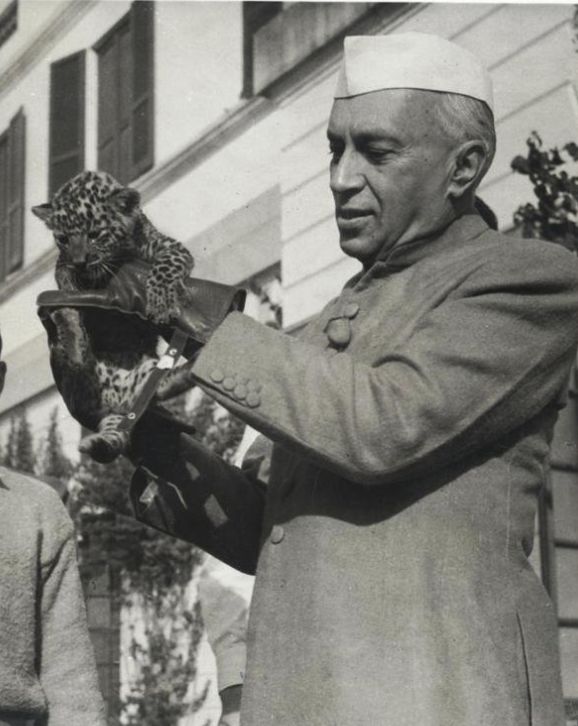
How India preserves Nehru & his idea of ‘India’ through means of Imprisonment
How Post-Independent India Preserved Nehru Through the Means of Imprisonment The preservation of a political legacy often mirrors the dark ironies of classical philosophy. In the ancient world, Plato built a dazzling conceptual cage around the radical, street-philosophizing Socrates. By institutionalizing his master’s memory into rigid texts and top-down political theories, Plato protected Socrates from historical oblivion but simultaneously sanitized his disruptive, open-ended spirit. In the twentieth century, post-independence India enacted a strikingly similar tragedy upon its first prime minister, Jawaharlal Nehru. Spearheaded by his political heirs and the ruling establishment, the Indian state constructed an ideological fortress around Nehru. In their relentless quest to institutionalize a young republic and sustain a dynastic lineage, they transformed a complex, evolving, and deeply self-critical thinker into a static, bureaucratic idol. They preserved Nehru, but they did so through the tragic mechanics of imprisonment. To understand the historical Nehru is to encounter an…
Find Us
Address
C-311, THE ISLAND, PUNE, INDIA - 411057
Legal Identity
KANT RESEARCH PRIVATE LIMITED
GST: 27AAMCK3365R1ZN
CIN: U62099PN2025PTC248382